Get ready to dive into the exciting realm of Programmatic advertising in 2025! As we explore the evolution, trends, and technologies shaping the future of advertising, fasten your seatbelts for a thrilling ride through the digital landscape.
Let’s uncover the mysteries and innovations that await in the world of programmatic advertising as we gear up for 2025.
Programmatic Advertising in 2025
In the ever-evolving landscape of digital advertising, programmatic advertising has seen significant growth and transformation since its inception. Initially introduced as a way to automate ad buying and optimize targeting, programmatic advertising has revolutionized the industry by enabling real-time bidding and personalized ad delivery.
Evolution of Programmatic Advertising
- Programmatic advertising started with basic targeting capabilities and has now evolved to include advanced audience segmentation and contextual targeting.
- Introduction of programmatic direct deals has allowed for more control and transparency in ad placements.
- Cross-device targeting and attribution have become integral parts of programmatic strategies.
Key Trends in 2025
- Increased emphasis on data privacy and compliance regulations shaping the way data is collected and utilized for targeting.
- Rise of connected TV and audio advertising within the programmatic ecosystem.
- Growth of in-app advertising and the importance of mobile-first strategies.
Impact of AI and Machine Learning
- AI and machine learning algorithms are driving automation and optimization in programmatic advertising, leading to more efficient campaign management.
- Dynamic creative optimization powered by AI is enabling hyper-personalized ad experiences for users.
- Predictive analytics are being used to forecast campaign performance and adjust strategies in real-time.
Challenges and Opportunities for Advertisers
- Challenges include ad fraud, brand safety concerns, and the need for skilled professionals to manage complex programmatic campaigns effectively.
- Opportunities lie in harnessing the power of data-driven insights for targeted advertising, reaching audiences across multiple channels, and optimizing ROI through programmatic strategies.
- Advertisers need to prioritize transparency, measurement, and creativity to stand out in the crowded programmatic landscape.
Direct Marketing
In the digital age, direct marketing refers to the practice of reaching out to potential customers individually, often through personalized messages delivered via email, social media, or other online channels. This form of marketing allows businesses to target specific audiences with tailored content, ultimately driving engagement and conversions.
Traditional vs. Digital Direct Marketing
- Traditional direct marketing involves physical mail, telemarketing, or face-to-face interactions, whereas digital direct marketing utilizes email, social media ads, and targeted online campaigns.
- Modern digital direct marketing offers more precise targeting options based on demographic, behavioral, and psychographic data, allowing for more personalized and relevant communication with customers.
- Digital direct marketing is often more cost-effective and provides real-time tracking and analytics to measure campaign performance and adjust strategies accordingly.
Personalization and Data Analytics
- Personalization plays a crucial role in enhancing the effectiveness of direct marketing by tailoring messages and offers to individual preferences and behaviors.
- Data analytics allows businesses to gather insights into customer behavior, preferences, and engagement metrics, enabling them to optimize their direct marketing campaigns for better results.
- By leveraging data analytics, businesses can segment their audience, create targeted campaigns, and measure the ROI of their direct marketing efforts more accurately.
Ethical Considerations
- Ethical considerations in direct marketing include respecting consumer privacy, obtaining consent for data collection, and being transparent about how customer data is used.
- Businesses must ensure that their direct marketing practices comply with regulations such as GDPR and CAN-SPAM to protect consumer rights and maintain trust.
- Balancing personalization with privacy concerns is essential to maintain a positive brand image and avoid alienating customers with intrusive or irrelevant marketing messages.
Market Research
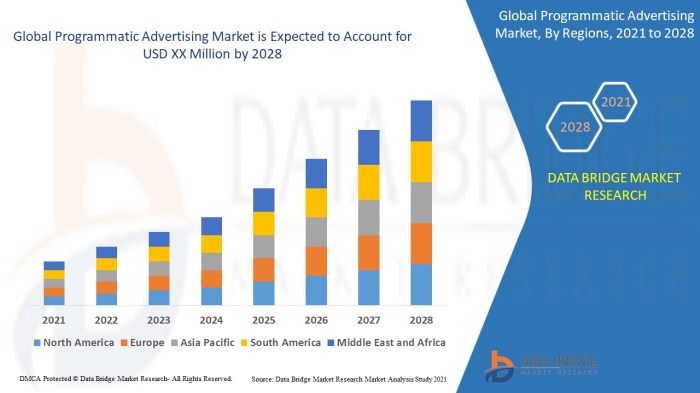
Market research plays a crucial role in informing programmatic advertising strategies. By understanding consumer behavior, preferences, and trends, marketers can tailor their campaigns to reach the right audience at the right time with the right message.
Methodologies for Optimizing Programmatic Advertising Campaigns
- Surveys and Questionnaires: Gathering direct feedback from consumers to understand their preferences and behavior.
- Data Analysis: Leveraging data to identify patterns and trends that can inform targeting and messaging strategies.
- Focus Groups: Engaging with a small group of targeted consumers to gather qualitative insights into their perceptions and attitudes.
- Competitive Analysis: Studying competitors’ strategies and performance to identify opportunities for improvement and differentiation.
Role of Data Analytics and Consumer Insights
Data analytics and consumer insights are essential components of market research for programmatic advertising. By analyzing data from various sources, marketers can gain a deep understanding of their target audience’s behavior, preferences, and needs. This information can then be used to create personalized and relevant ads that resonate with consumers.
Successful Market Research-Driven Programmatic Advertising Campaigns
- Amazon: Utilizing purchase history and browsing behavior to deliver personalized product recommendations to users.
- Netflix: Analyzing viewing habits and preferences to recommend personalized content to subscribers.
- Spotify: Using listening data to create customized playlists and recommend new music to users.
Advertising and Telemarketing
In the realm of programmatic advertising, the integration of advertising and telemarketing plays a crucial role in reaching target audiences effectively. While advertising focuses on promoting products or services through various digital channels, telemarketing involves direct communication with potential customers via phone calls.
Differentiation between Advertising and Telemarketing
Advertising relies on non-personal communication methods such as display ads, social media campaigns, and email marketing to engage with a wider audience. In contrast, telemarketing involves direct interaction with individuals over the phone to deliver personalized messages and gather feedback in real-time.
Integration of Telemarketing with Programmatic Advertising
The integration of telemarketing strategies with programmatic advertising allows for a more personalized approach to reaching customers. By leveraging data insights from programmatic advertising campaigns, telemarketers can tailor their communication to specific audience segments, leading to higher engagement and conversion rates.
Effectiveness of Personalized Advertising vs. Telemarketing Approaches
Personalized advertising through programmatic campaigns has shown to be highly effective in capturing the attention of consumers and driving conversions. By delivering relevant content based on user behavior and preferences, personalized advertising creates a more engaging and seamless experience for customers compared to traditional telemarketing approaches.
Regulatory Frameworks Impacting Advertising and Telemarketing in 2025
In 2025, regulatory frameworks continue to shape the landscape of advertising and telemarketing practices. Stricter data privacy regulations such as GDPR and CCPA require businesses to obtain explicit consent from individuals before using their personal information for marketing purposes. These regulations impact how programmatic advertising and telemarketing activities are carried out, emphasizing the importance of compliance and transparency in customer communication.
Closing Summary
As we wrap up our journey into the future of advertising, remember that the possibilities are endless in the ever-evolving world of programmatic advertising. Stay tuned for what lies ahead and gear up for the exciting times to come in 2025 and beyond.
Expert Answers
What are the key trends that will shape programmatic advertising in 2025?
In 2025, key trends like increased AI integration, enhanced personalization, and the rise of immersive technologies will significantly impact programmatic advertising.
How do emerging technologies like AI and machine learning influence programmatic advertising?
Emerging technologies like AI and machine learning revolutionize programmatic advertising by optimizing ad targeting, improving efficiency, and enhancing campaign performance.
What challenges do advertisers face in leveraging programmatic advertising in 2025?
Advertisers may encounter challenges such as data privacy concerns, ad fraud, and the need for skilled professionals to navigate the complex programmatic landscape in 2025.